
How to Clean Carpet Stains at Home
We need to be upfront about something before this guide goes any further. Deep carpet extraction isn't a service we offer. It needs equipment that's genuinely different from what we use for the rest of our work, and pretending otherwise wouldn't do you any favors. But that doesn't change what actually works for home carpet care, or where to look if your real problem is a sofa rather than a rug.
Carpet stain removal comes down to three things: acting fast, blotting instead of rubbing, and matching the treatment to the stain type rather than reaching for whatever's under the sink. Get those three right and most fresh stains never become a permanent problem.
This guide is for anyone maintaining their own carpets between deeper cleans. If the actual problem is a stained or dusty sofa rather than a carpet, that's exactly the service we specialize in and the one worth reading further for.
Why We Draw the Line at Sofas, Not Carpets
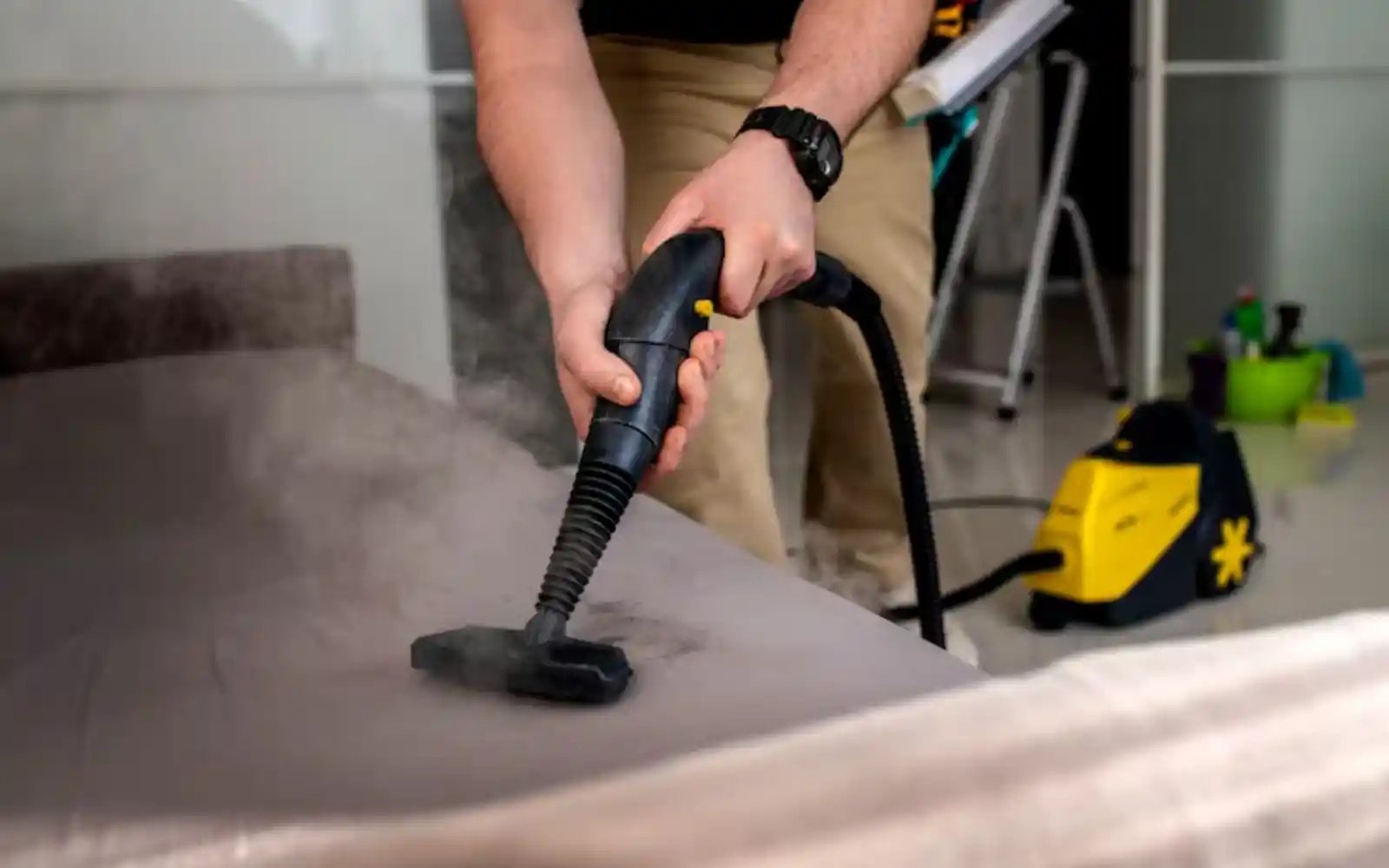
The distinction isn't arbitrary. Steam equipment built for upholstery is designed to reach every part of a sofa in a single visit, since the size of the piece allows full access from all sides. Carpets need a completely different category of equipment, heavier extraction machines built to pull moisture and embedded dirt out of much larger surface areas, and that's an investment and a skill set outside what we've built our business around.
Rather than claim we can cover both to an equal standard, we chose to genuinely master one. That's exactly why our sofa cleaning service in Dammam goes as deep as it does on detail. Our team specializes in it rather than trying to stretch across a second category of equipment on the side.
A Common Mistake That Makes Stains Worse
The most common mistake we see isn't picking the wrong cleaning solution, it's using too much liquid while trying to lift a stain. More water doesn't mean better cleaning. It actually pushes the stain deeper into the padding underneath the carpet, where it becomes much harder to fully dry out and often resurfaces as a faint mark or odor weeks later.
A good rule of thumb: less solution applied more times beats a large amount applied once. If a treated area stays damp for hours afterward, that's usually a sign too much liquid was used in the first place.
When Waiting Beats Acting Immediately
Sometimes the better move is patience rather than speed. If a stain comes from an unknown substance, letting it dry completely before attempting anything can work better than immediate treatment, since some materials respond better to dry scraping first rather than being wet down right away.
Preventive Habits That Reduce How Often You Need to Deal With Stains
The best strategy for carpet care is reducing how much dirt reaches it in the first place, rather than relying entirely on treatment after the fact. A small mat at every main entrance significantly cuts down on the dust and sand tracked in from outside, which matters more in a dusty regional climate than most people initially assume. A simple shoes-off policy near the entrance reduces buildup dramatically compared to homes where outdoor shoes go straight through every room.
It's also worth rotating heavy furniture position every few months if possible. Furniture left in exactly the same spot for years leaves permanent pressure marks in carpet fibers that don't fully bounce back even after thorough cleaning. Small adjustments to layout, even by a few inches, distribute that pressure over time and help the carpet wear more evenly.
The Method That Actually Works
Blot, never rub
Press a clean cloth onto the stain and lift, working from the outside in. Rubbing pushes the stain deeper into the fibers and spreads it wider than it started.
Match the treatment to the stain
Water-based stains like coffee or juice respond to a mild dish soap solution. Oil-based stains like grease or makeup need a small amount of rubbing alcohol on a cloth first, before any soap touches the area.
Test on a hidden patch first
Always try any solution on a small, unseen corner before applying it to the visible stain, to rule out discoloration you can't undo.
Rinse and dry thoroughly
Blot with clean water afterward to remove soap residue, then press dry with towels. A carpet left to air-dry slowly, with soap still trapped in the fibers, is exactly how odors start.
If you've worked through all of this and realized your actual problem is a sofa, not a carpet, whether that's old stains, embedded dust, or a lingering smell, that's precisely what we handle every day. Sofa cleaning in Khobar covers fabric and leather pieces alike, with products matched to the material rather than one generic approach used on everything.
Frequently Asked Questions
Does baking soda actually work on carpet odors?
Yes, it's genuinely effective for absorbing moisture and mild odors. Sprinkle it, let it sit for an hour, then vacuum thoroughly.
What if the stain is old and already set?
Set-in stains respond less predictably to home treatment. They often lighten but don't fully disappear without deeper extraction equipment.
Do you offer carpet cleaning as a service?
No, carpet extraction needs equipment we don't operate. If it's your sofa or upholstery that needs attention, that's a service we do offer and specialize in.
Can the same products be used on both carpets and sofas?
Not without testing first. Fiber types differ enough between the two that results can vary significantly, even with products marketed for general upholstery use.