
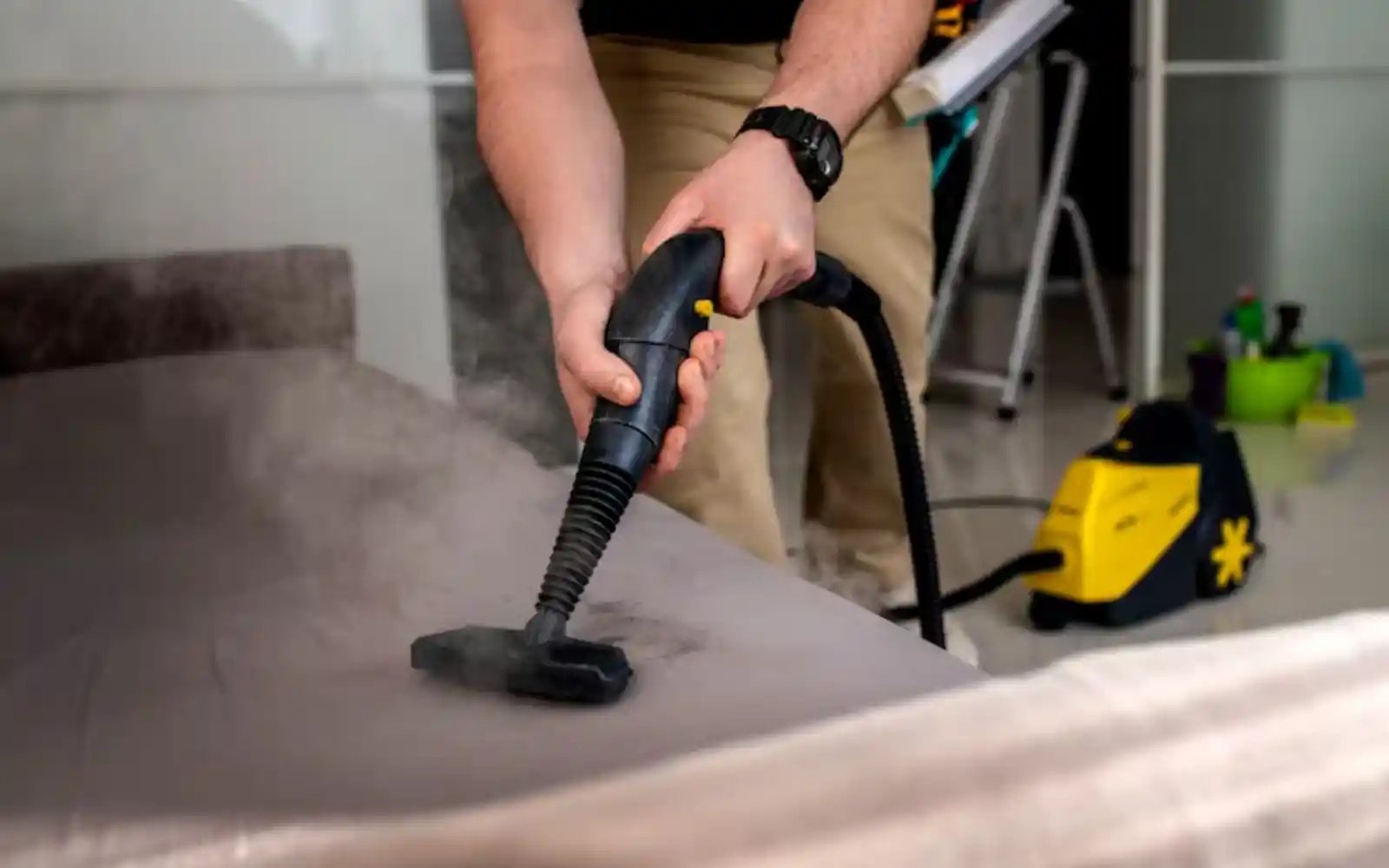
How to Remove Stains From a Fabric Sofa
Fabric sofas are more forgiving than leather, but the wrong approach can still leave a lighter patch that's more obvious than the original stain. These five methods work for most fresh, common stains, with a note on what to do if the stain is already set and hasn't responded to a first attempt.
Why Speed Matters More Than the Product You Use
The single biggest mistake we see isn't picking the wrong cleaning method, it's waiting too long to try any method at all. Every one of the treatments above works significantly better on a fresh stain than one that's had hours, or worse, days, to set into the fibers.
Once a stain has fully dried and bonded with the fabric, home treatment options narrow considerably. That's usually the point where a stain shifts from a quick fix to something worth a proper assessment before attempting anything further on your own.
Why the Same Stain Can Behave Differently on Two Sofas
Fabric composition changes how any stain responds to treatment, even using the exact same method. A tightly woven cotton blend tends to resist staining and responds well to the treatments above. A looser or more textured weave absorbs liquid faster and deeper, which means the same coffee spill might come out completely on one sofa and leave a faint mark on another.
This is worth keeping in mind before assuming a method has failed. Sometimes it worked as well as that particular fabric allows, and the remaining trace is a fabric limitation rather than a treatment mistake.
A Simple Habit That Prevents Most Stains From Setting
Keeping a small stack of clean cloths near frequently used seating areas makes a bigger difference than any specific cleaning product. The single biggest factor in whether a stain comes out completely is how quickly it gets blotted, and having something on hand removes the delay of running to find a cloth.
Building a Simple Stain-Response Kit
Having a small kit ready before a stain happens makes the actual response faster and more effective. A few clean white cloths reserved specifically for this purpose, a small spray bottle for controlled application rather than pouring directly, and a soft brush for gently working in solutions without damaging fibers cover most situations that come up in a typical household.
Keep this kit somewhere accessible rather than tucked away in a hard-to-reach cabinet. The time spent searching for the right materials is often the difference between a stain that lifts completely and one that has enough time to set into the fabric while you're still gathering supplies.
One Question Worth Asking Before Any Stronger Treatment
Before reaching for a stronger cleaning product on a stubborn stain, ask whether the fabric is genuinely washable upholstery or something more delicate like silk blend or velvet. Stronger treatments that work fine on cotton blends can permanently damage more delicate weaves, so confirming fabric type first is worth the extra minute it takes.
Method by Stain Type
| Stain Type | What Works |
|---|---|
| Coffee or tea | Blot with a mix of mild dish soap and warm water, working from the outside in |
| Grease or oil | Sprinkle cornstarch or baking soda first to absorb the oil, then vacuum before treating with soap solution |
| Ink | Dab, don't rub, with rubbing alcohol on a cotton swab, testing on a hidden area first |
| Wine or juice | Blot immediately, then apply a mix of white vinegar and water to lift the remaining color |
| Pet accidents | Blot up as much as possible, then use an enzyme-based cleaner made for pet stains, not just soap and water |
If a stain is already old, or you're not sure what caused it, a professional assessment before treatment prevents making it worse with the wrong product. Sofa cleaning in Khobar includes an honest evaluation of what a stain can realistically achieve before any work starts, rather than a guaranteed promise we can't back up.
With these five methods on hand and a habit of acting quickly, most everyday fabric sofa stains become a minor inconvenience rather than a lasting mark you have to live with.
Frequently Asked Questions
Is it safe to use vinegar on all fabric types?
Test it on a hidden area first. Most synthetic and cotton blends handle it fine, but delicate or specialty fabrics may react differently.
What if I don't know what caused the stain?
Start with the gentlest option, mild soap and water, rather than assuming and risking a stronger product that could set an unknown stain permanently.
Can you remove old, set-in stains professionally?
Most stains lighten significantly with professional treatment, though full removal depends on the stain's age and the fabric. We assess honestly before starting.
Does the fabric weave affect how a stain behaves?
Yes, tightly woven fabrics tend to resist staining better than loose or textured weaves, which absorb liquid faster and deeper into the fibers.